
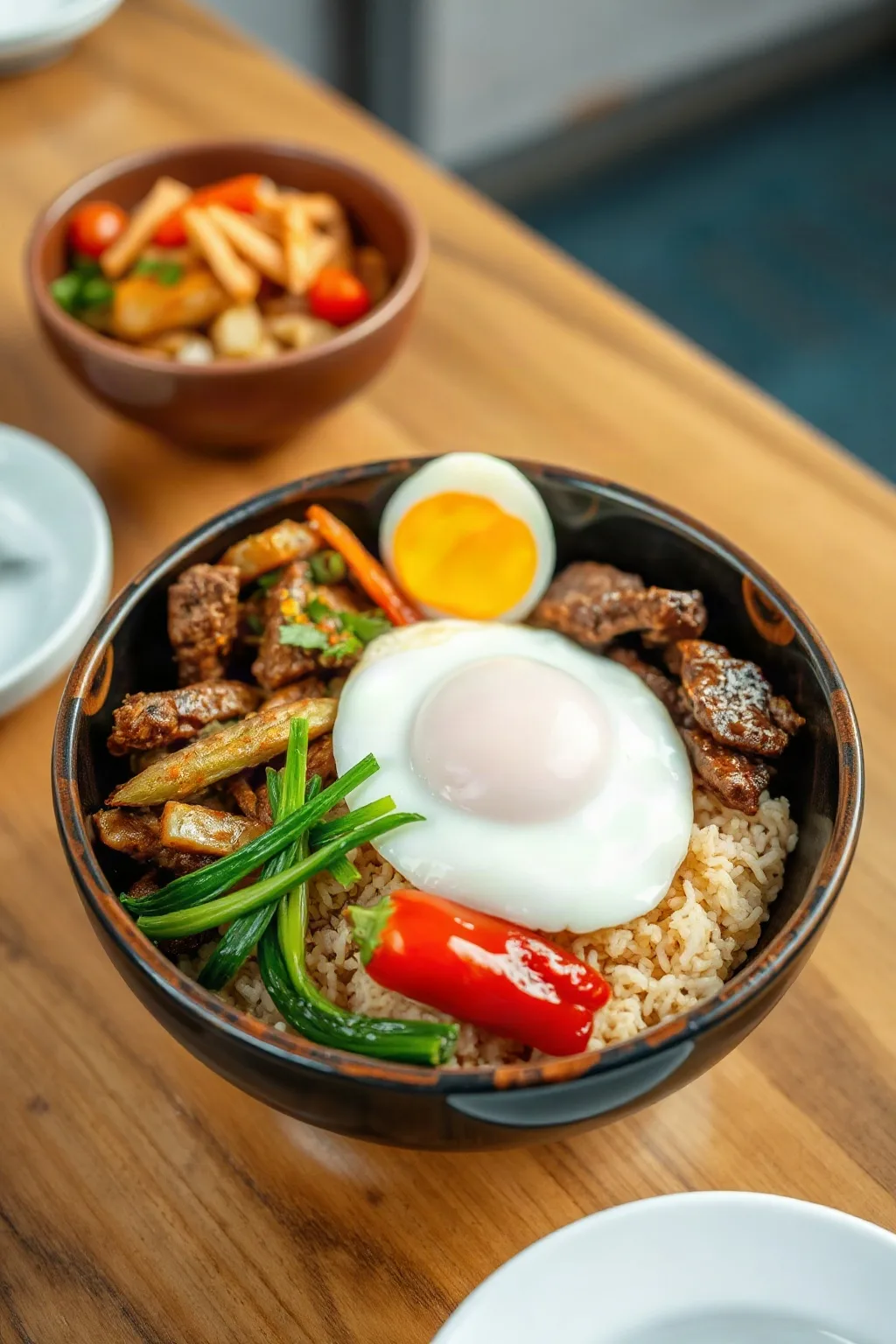
A vibrant and delicious Korean dish featuring seasoned rice, sautéed vegetables, marinated beef, and a perfectly cooked egg.
Prep
30 min
Cook
20 min
Total
50 min
Servings
4
Difficulty
Medium
Instructions
Marinate the Beef
In a bowl, combine soy sauce, sesame oil, sugar, garlic, and ginger. Add the sliced beef and mix well. Let it marinate for at least 15 minutes.
Pro tip: For best results, marinate the beef for up to 1 hour in the refrigerator.
Prepare the Vegetables
Heat vegetable oil in a large pan over medium heat. Sauté each vegetable separately: carrots, zucchini, mushrooms, and blanched spinach, seasoning each with a pinch of salt. Remove from pan and set aside.
Pro tip: Cook vegetables until just tender to retain their vibrant colours and nutrients.
Cook the Beef
In the same pan, cook the marinated beef over medium-high heat until browned and cooked through, about 5 minutes. Ensure the beef reaches an internal temperature of 160°F (71°C).
Pro tip: Thinly sliced beef cooks quickly, so keep an eye on it to prevent overcooking.
Prepare the Rice
Reheat the cooked rice in a microwave or stovetop until warm. Divide the rice evenly among four bowls.
Pro tip: Using day-old rice helps prevent clumping and provides better texture.
Cook the Eggs
In a separate pan, fry the eggs sunny-side-up to your liking. The yolk should remain runny to mix with the rice.
Pro tip: Cook eggs over low heat to ensure the whites are set while keeping the yolk runny.
Assemble the Bibimbap
Top each bowl of rice with a portion of beef, arranged vegetables, a fried egg, and a spoonful of gochujang. Sprinkle with sesame seeds before serving.
Pro tip: Mix all the ingredients together before eating to enjoy the full spectrum of flavours.
Tips & Tricks
- Use day-old rice for better texture and less moisture.
- Thinly slice beef to ensure quick and even cooking.
- Adjust spice level by varying the amount of gochujang.
- Use a variety of vegetables for a colourful presentation.
Frequently Asked Questions
What is bibimbap?
Bibimbap is a Korean dish that consists of rice mixed with vegetables, beef, and an egg, typically served with gochujang.
How do you make Korean bibimbap?
To make bibimbap, cook and season vegetables and beef separately, prepare rice, fry an egg, and assemble everything in a bowl with gochujang.
What is gochujang?
Gochujang is a Korean red chili paste made from fermented soybeans, red chili powder, glutinous rice, and salt. It's spicy and slightly sweet.
Can I use other proteins in bibimbap?
Yes, you can use chicken, tofu, or other meats instead of beef to suit your preference or dietary needs.
Is bibimbap gluten-free?
Bibimbap can be made gluten-free by using tamari instead of soy sauce and ensuring that gochujang and other ingredients are gluten-free.
Serving Suggestions
Nutrition per serving
450
Calories
25g
Protein
18g
Fat
52g
Carbs
You Might Also Like
More Rice & Grain Recipes
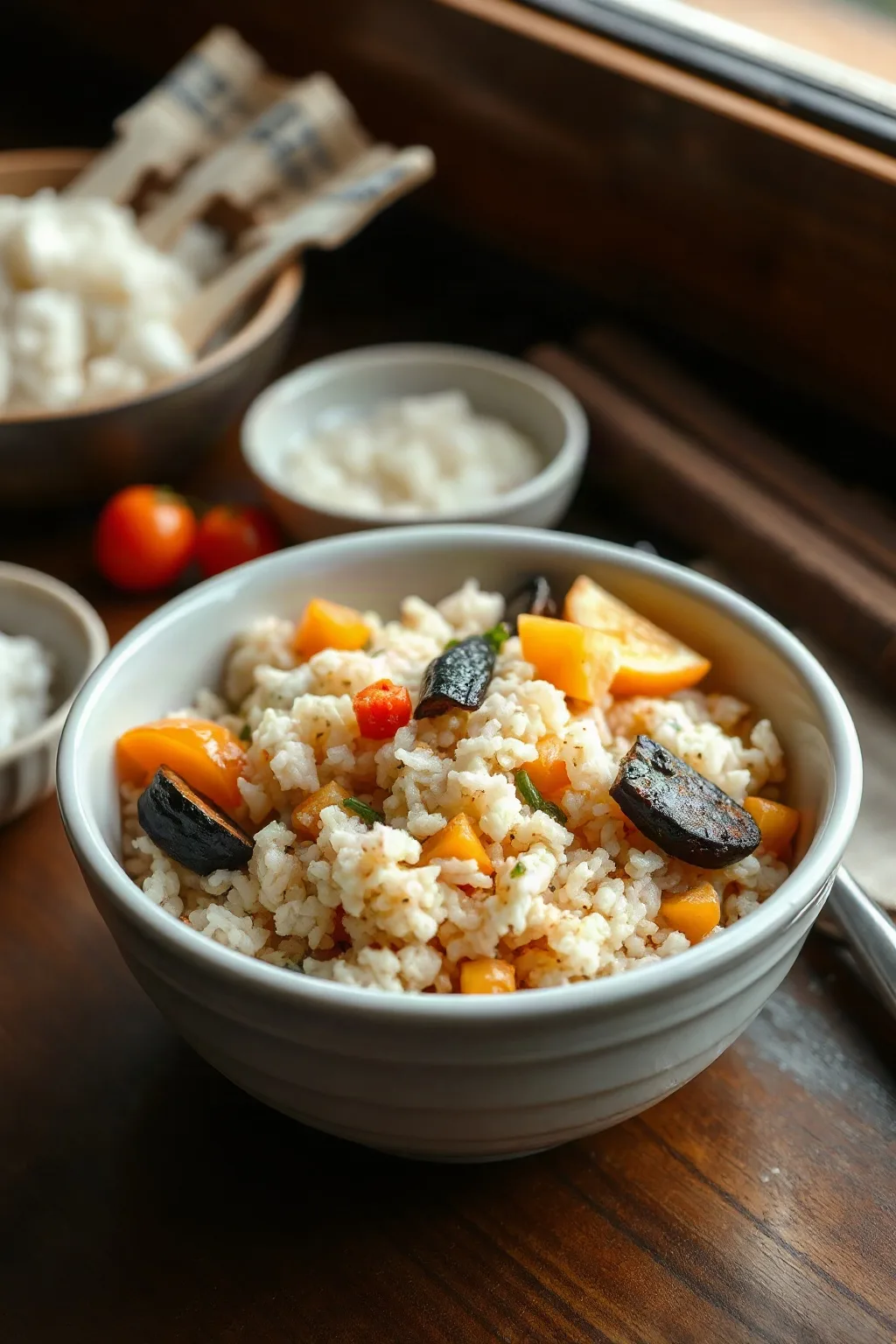
Simple One Bowl Rice with Vegetables
Discover a quick and easy one bowl rice recipe loaded with fresh vegetables for a satisfying meal.
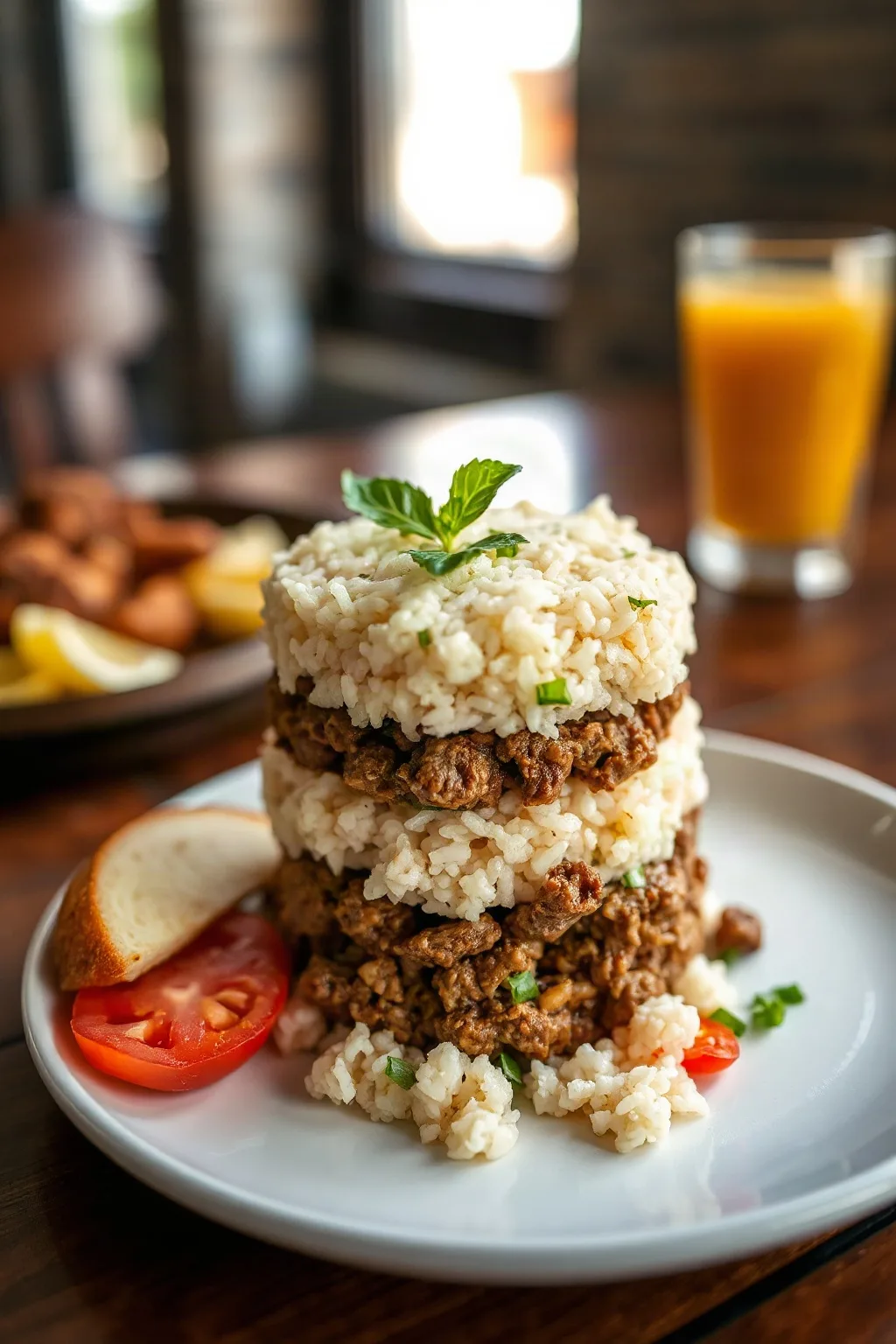
Arroz Tapado: Layered Rice Delight
Discover the layered perfection of Arroz Tapado, a Peruvian classic that combines seasoned beef and rice for a hearty meal.
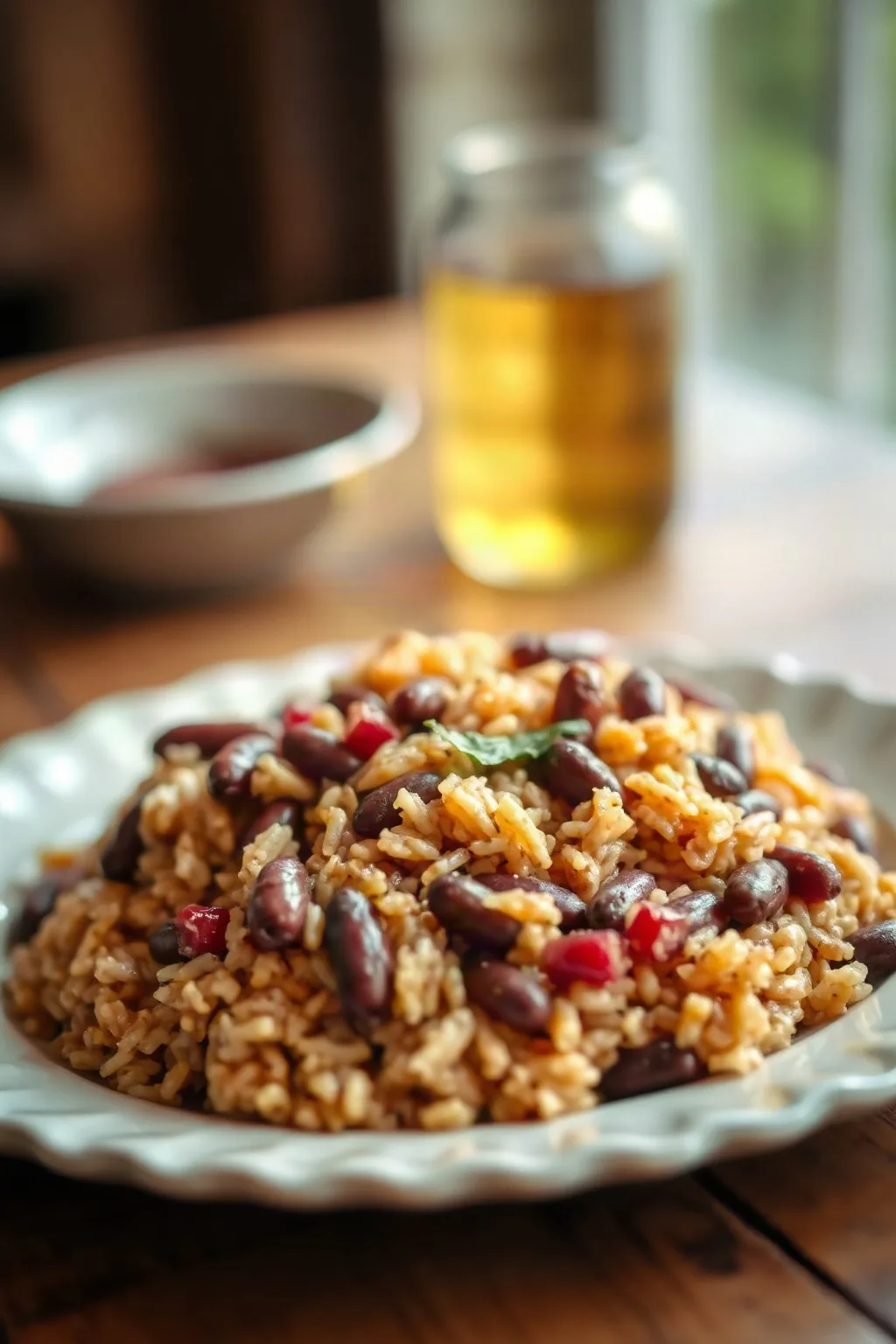
Haitian Style Rice and Beans
A delicious and authentic Haitian rice and beans dish packed with spices and flavour, perfect for any occasion.
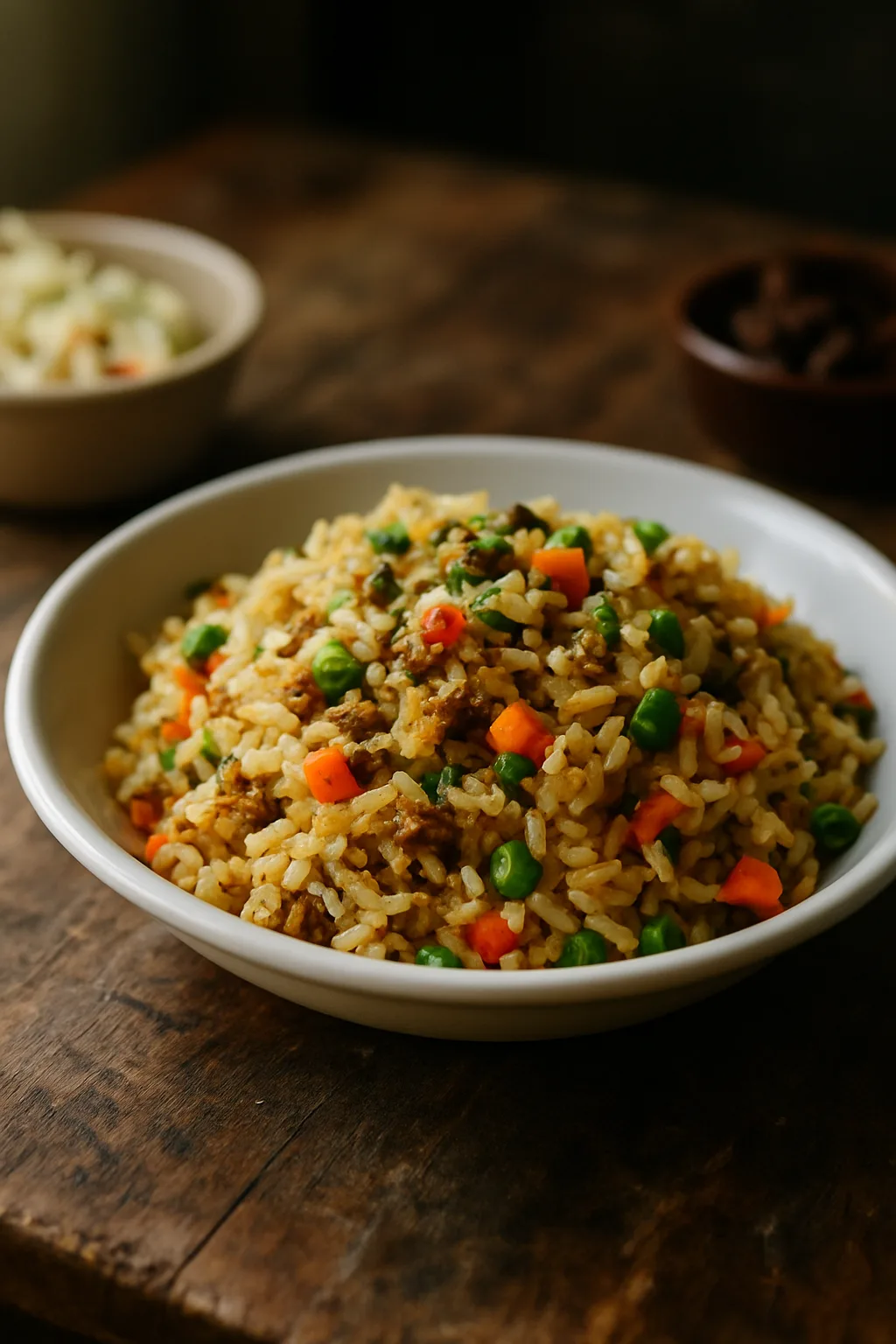
Maria's Savoury Rice
Discover the secret to delicious and aromatic Maria's Savoury Rice, perfect for family meals.
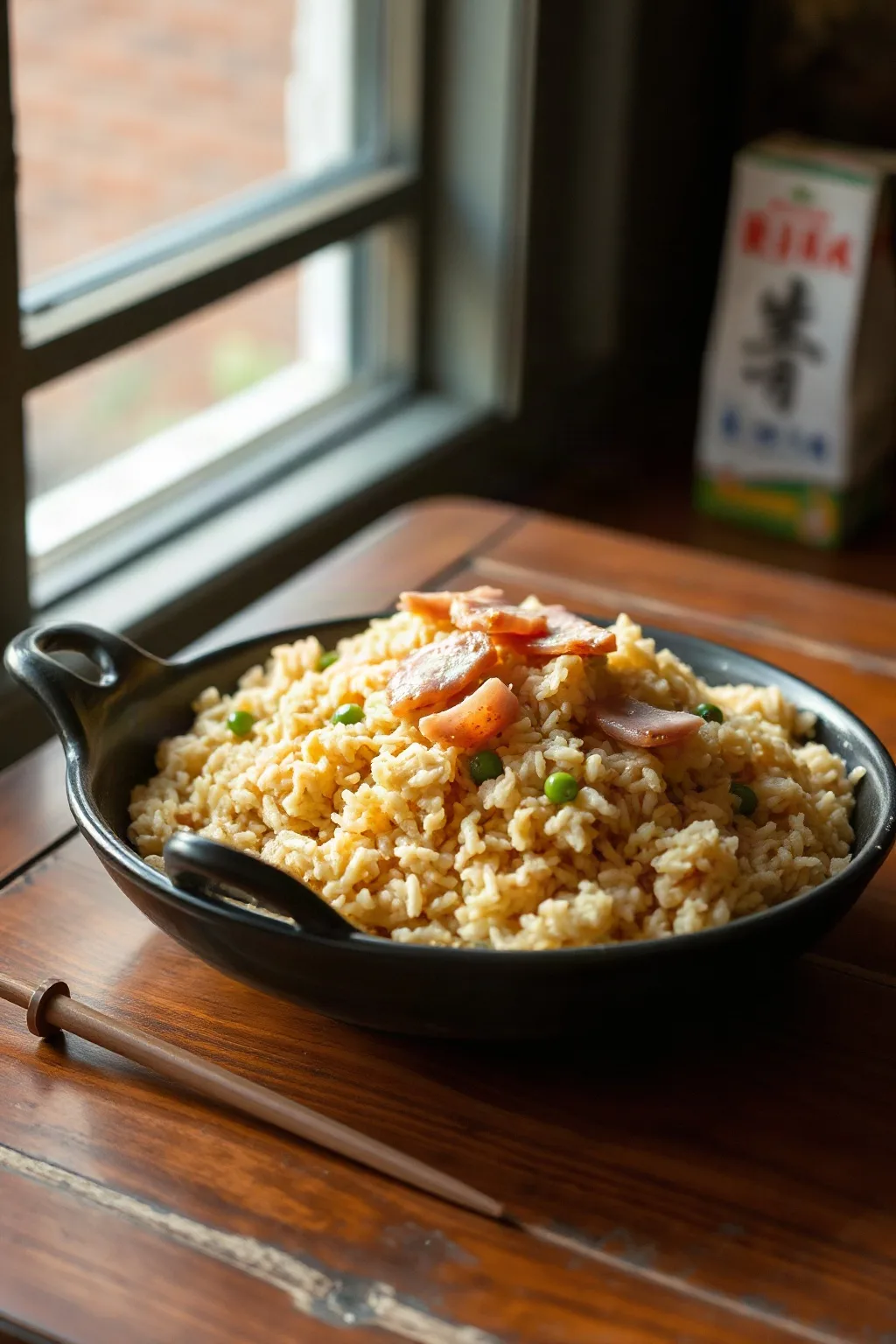
Classic Fried Rice with Ham
A deliciously simple fried rice with ham, perfect for a quick meal.
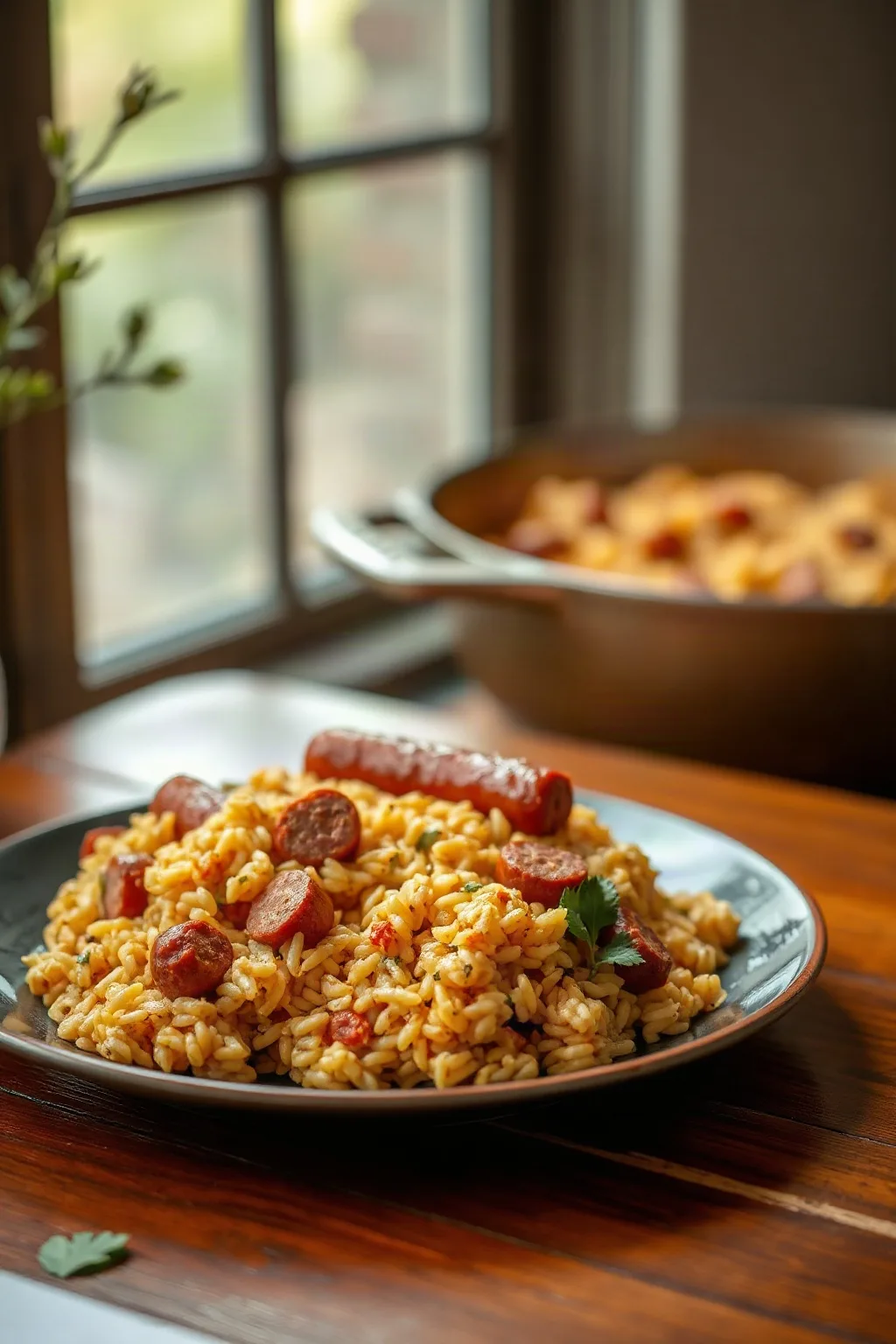
Martha's Spanish Rice and Sausage
Experience the rich, savoury flavours of Martha's Spanish Rice and Sausage, a comforting one-pan dish perfect for a hearty meal.
Kitchen & BBQ gear
What we use for recipes like this

Coffee & Drinks · Filter Coffee Makers
Melitta 625000 Bamboo Super Premium Coffee Filters, Green
$4.98

Kitchen Appliances · Stand Mixers
Cuisinart Stand Mixer, 12 Speeds, 5.5-Quart Mixing Bowl, Chef's Whisk, Flat Mixing Paddle, Dough Hook, and Splash Guard with Pour Spout, Yellow Daffodil (SM-50YC)
$202.39
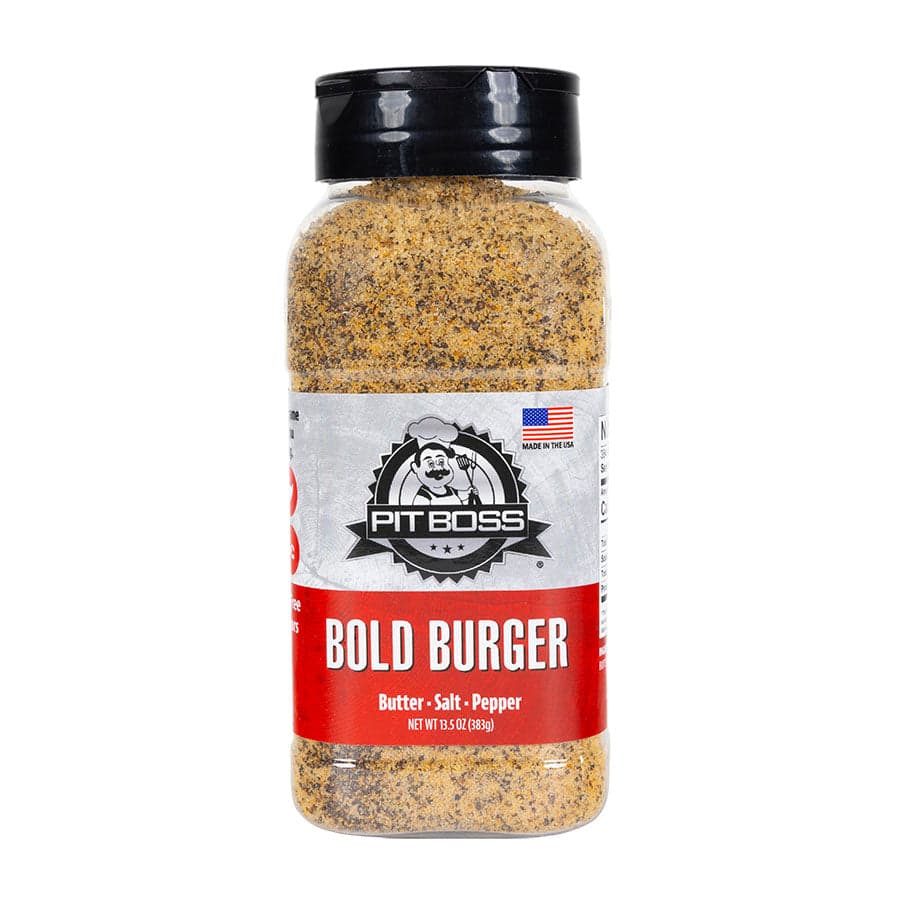
Pit Boss Grills
Bold Burger Rub
$9.99
Affiliate links. Prices come from Amazon and are refreshed at least every 24 hours.