
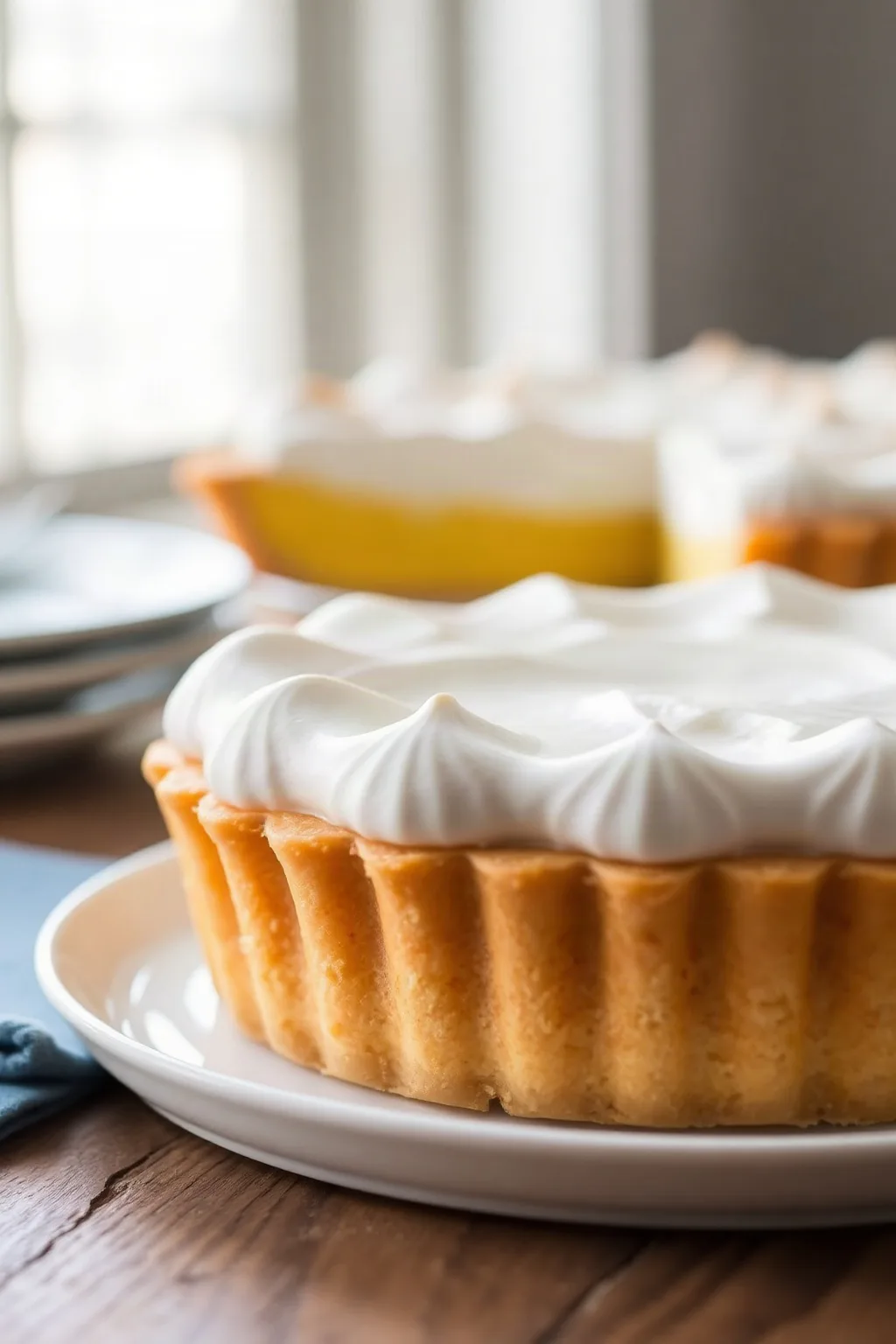
Create a perfect lemon meringue pie with a tart lemon curd filling and a no-weep Swiss meringue topping.
Prep
30 min
Cook
25 min
Total
175 min
Servings
8
Difficulty
Medium
Instructions
Prepare the crust
In a large bowl, combine flour and salt. Cut in butter until mixture resembles coarse crumbs. Stir in ice water, a tablespoon at a time, until dough forms a ball. Wrap in plastic wrap and refrigerate for 30 minutes.
Pro tip: Avoid overworking the dough to keep it tender.
Blind bake the crust
Preheat oven to 220°C (425°F). Roll out dough to fit a 23 cm (9-inch) pie plate. Place in pie plate, trim excess and crimp edges. Line with parchment paper and fill with pie weights. Bake for 10 minutes, remove weights, and bake for another 5 minutes until lightly golden.
Pro tip: Allow the crust to cool slightly before adding filling.
Make the lemon filling
In a medium saucepan, whisk together sugar, cornstarch, and salt. Gradually stir in water until smooth. Cook over medium heat, stirring constantly, until mixture comes to a boil. Boil for 1 minute. Remove from heat.
Pro tip: Boiling is essential to activate the cornstarch.
Add eggs and lemon
Stir a small amount of hot mixture into egg yolks, then return all to the pan. Stir in butter, lemon juice, and zest. Cook over medium heat for 2 minutes, stirring constantly, until thickened. Pour hot filling into crust.
Pro tip: Ensure the filling is hot when adding the meringue.
Whisk the meringue
In a large bowl, beat egg whites and cream of tartar on medium speed until soft peaks form. Gradually beat in sugar, 1 tablespoon at a time, until stiff peaks form.
Pro tip: Egg whites should be at room temperature for optimal volume.
Apply and bake the meringue
Spread meringue evenly over hot filling, sealing to the edges of crust. Use a spatula to create peaks. Bake at 175°C (350°F) for 10-12 minutes until golden brown.
Pro tip: Ensure meringue touches the crust edges to prevent shrinking.
Cool the pie
Allow pie to cool at room temperature for 1 hour, then refrigerate for at least 1 hour before serving.
Pro tip: Cooling helps the filling set properly.
Tips & Tricks
- Ensure your lemon curd boils for a full minute to avoid a runny filling.
- Spread meringue onto hot filling to prevent it from weeping.
- Seal the meringue to the crust edges to keep it intact.
- Use fresh lemons for the best flavour in the curd.
Frequently Asked Questions
What makes a lemon meringue pie classic?
A classic lemon meringue pie features a tart lemon curd filling beneath a fluffy, golden meringue.
How do you prevent meringue from weeping?
Spread meringue onto hot filling and ensure it seals to the crust edges to prevent weeping.
How long should you boil lemon curd?
Boil the lemon curd for a full minute to ensure it thickens properly.
What temperature should the meringue be baked at?
Bake the meringue at 175°C (350°F) until golden brown.
How many servings does this pie yield?
This lemon meringue pie yields 8 slices.
Serving Suggestions
Nutrition per serving
280
Calories
4g
Protein
11g
Fat
42g
Carbs
You Might Also Like
More Dessert Recipes
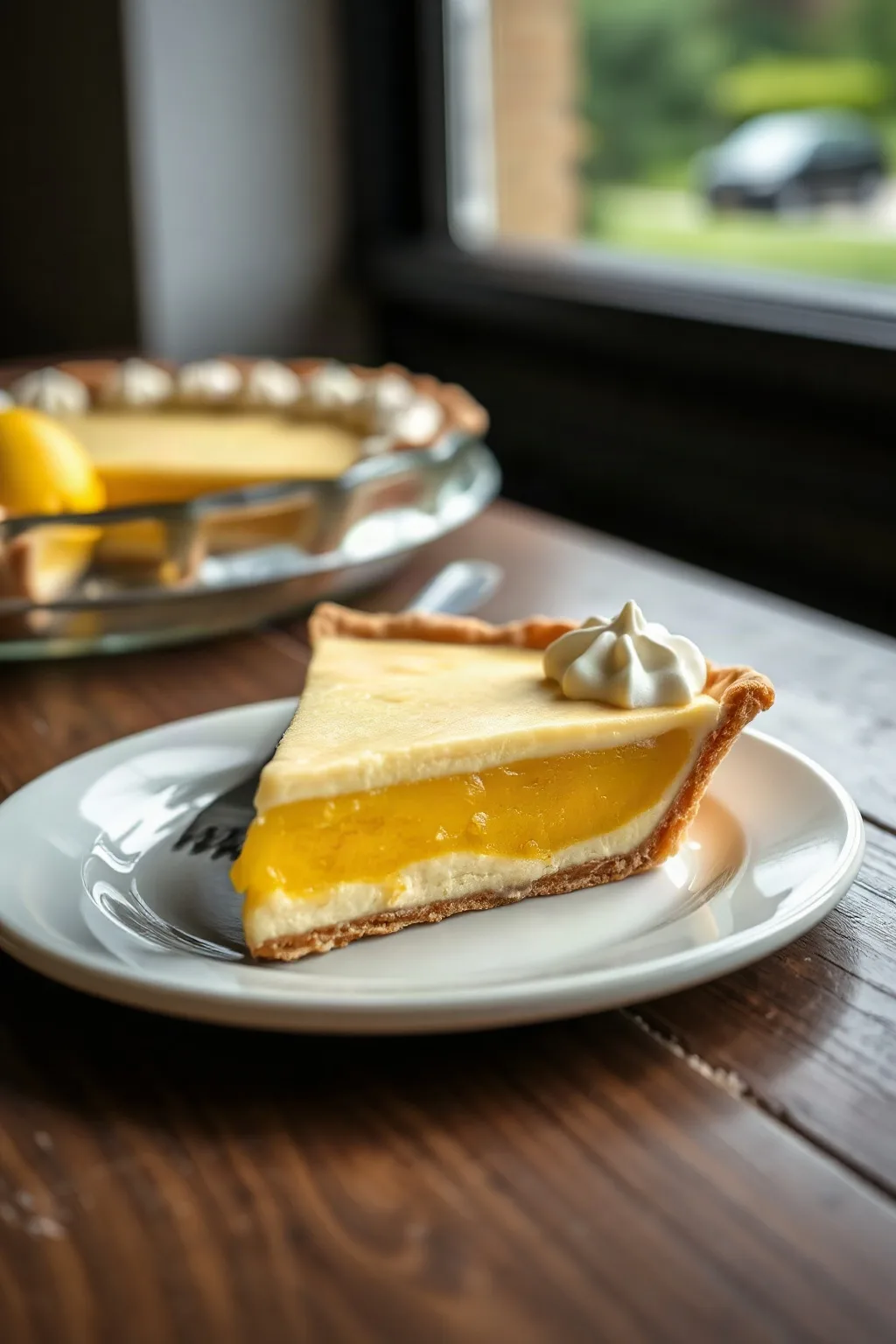
Classic Magic Lemon Pie
This tangy and creamy Magic Lemon Pie is a simple yet delightful dessert that combines a rich lemon filling with a buttery crust.
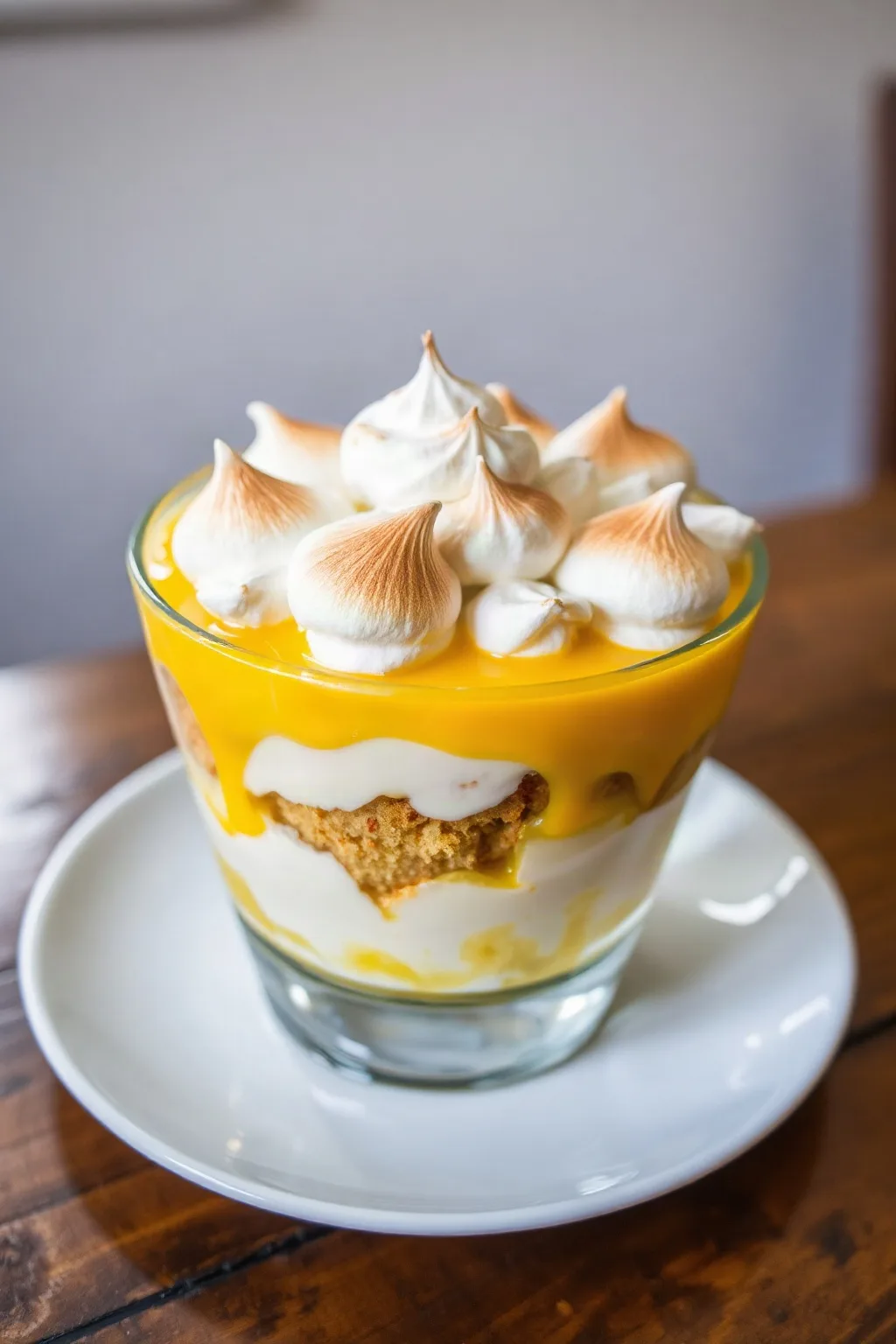
Lemon Meringue Trifle
A refreshing and indulgent lemon meringue trifle that layers zesty lemon curd, airy meringue, and soft sponge cake.
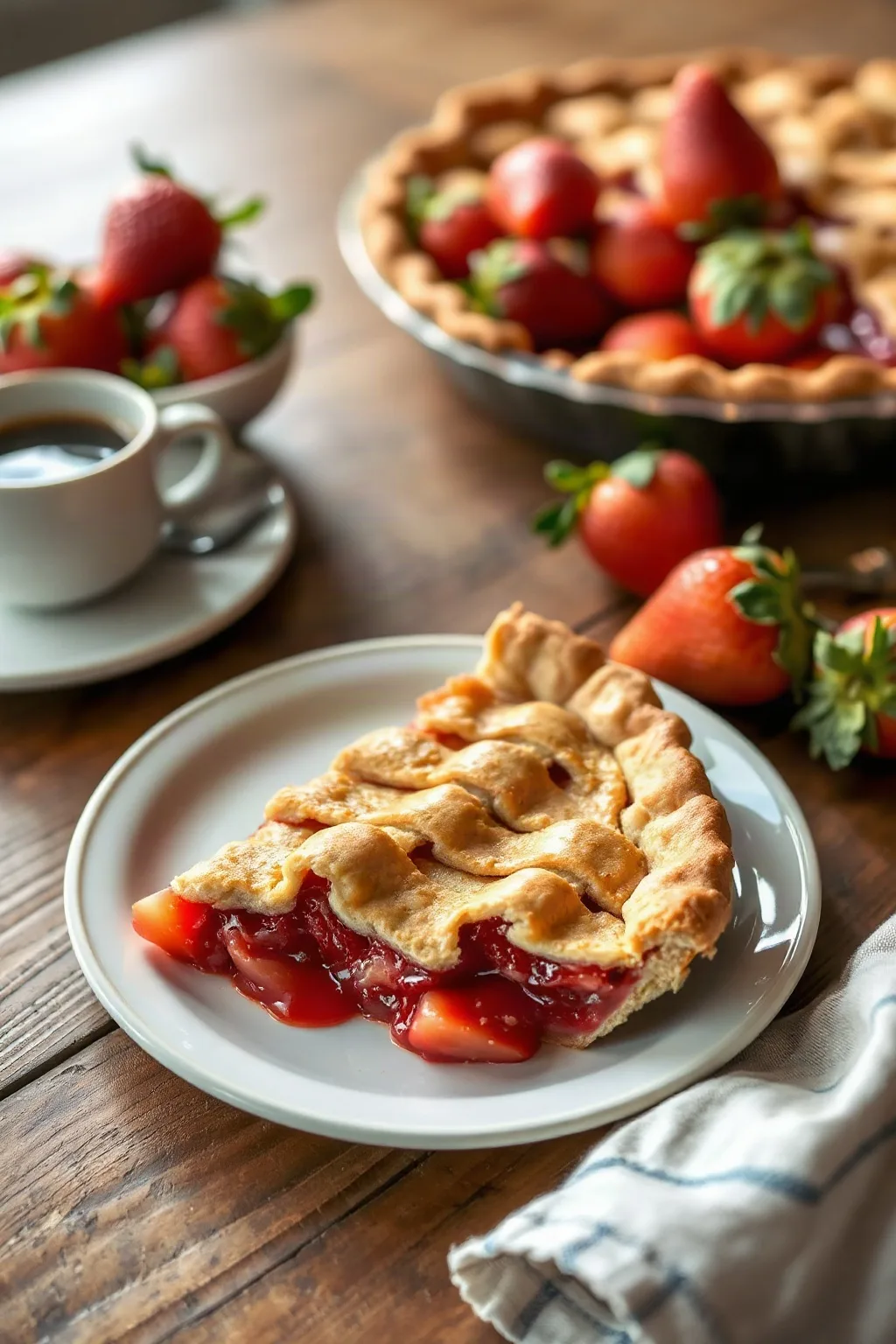
The Old Boys Strawberry Pie
A classic strawberry pie with a buttery crust and sweet filling, perfect for summer gatherings.
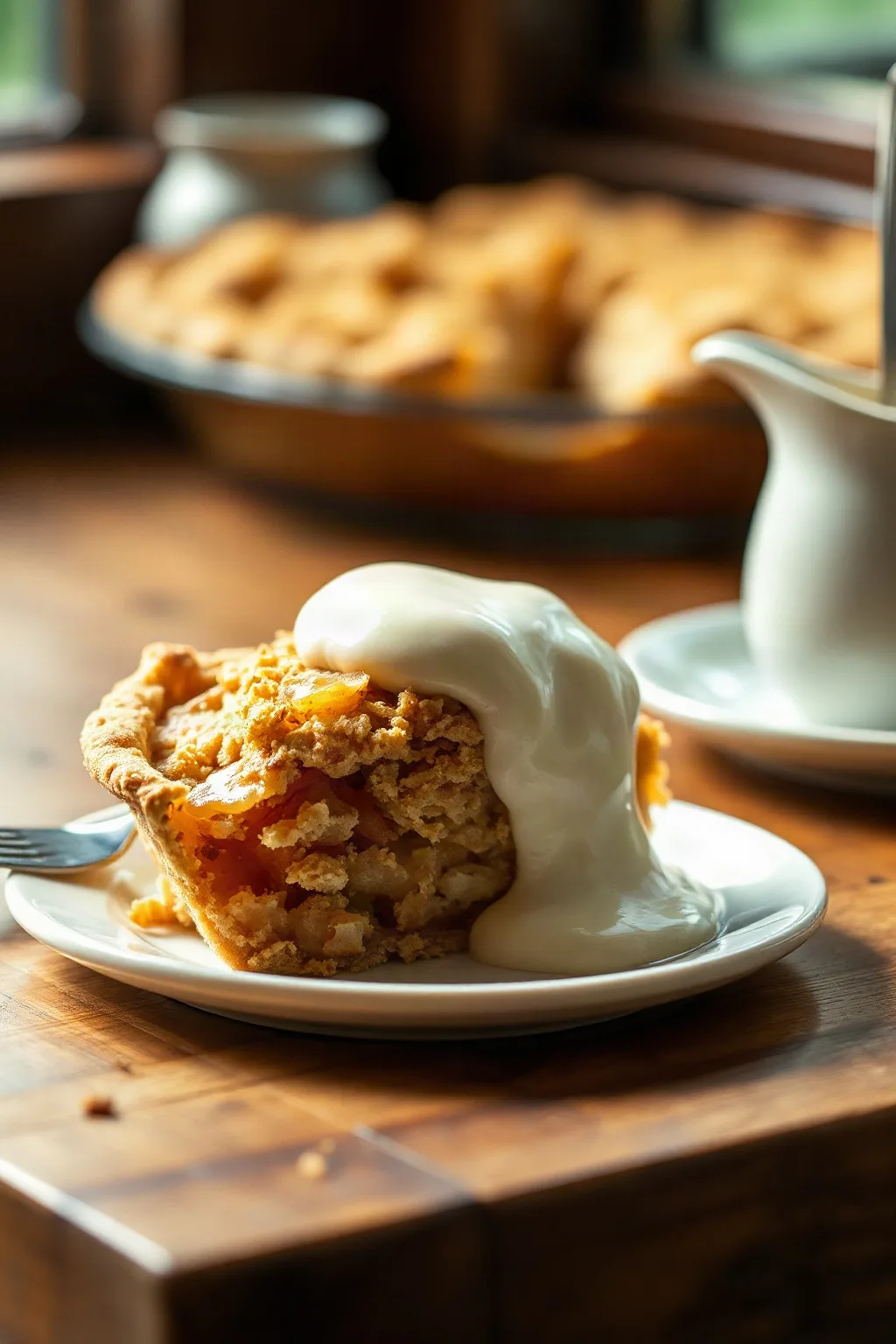
Apple Crunch Pie with Vanilla Sauce
This Apple Crunch Pie with Vanilla Sauce combines a buttery, crunchy topping with a sweet and tart apple filling, perfect for dessert lovers.
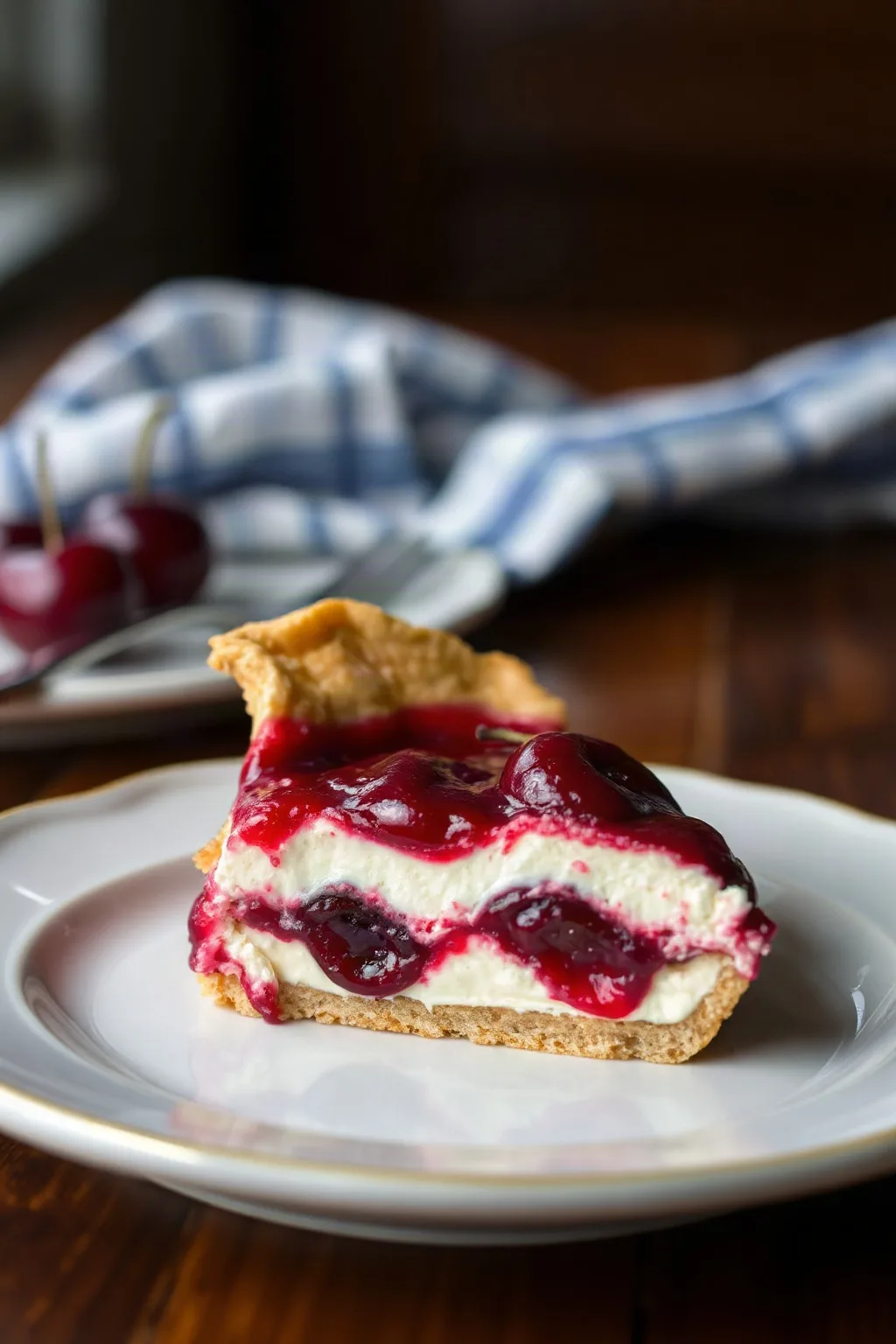
Delicious Cherry Cheese Pie I
Enjoy a creamy and luscious cherry cheese pie with a perfect balance of tangy cherries and rich cream cheese in every bite.
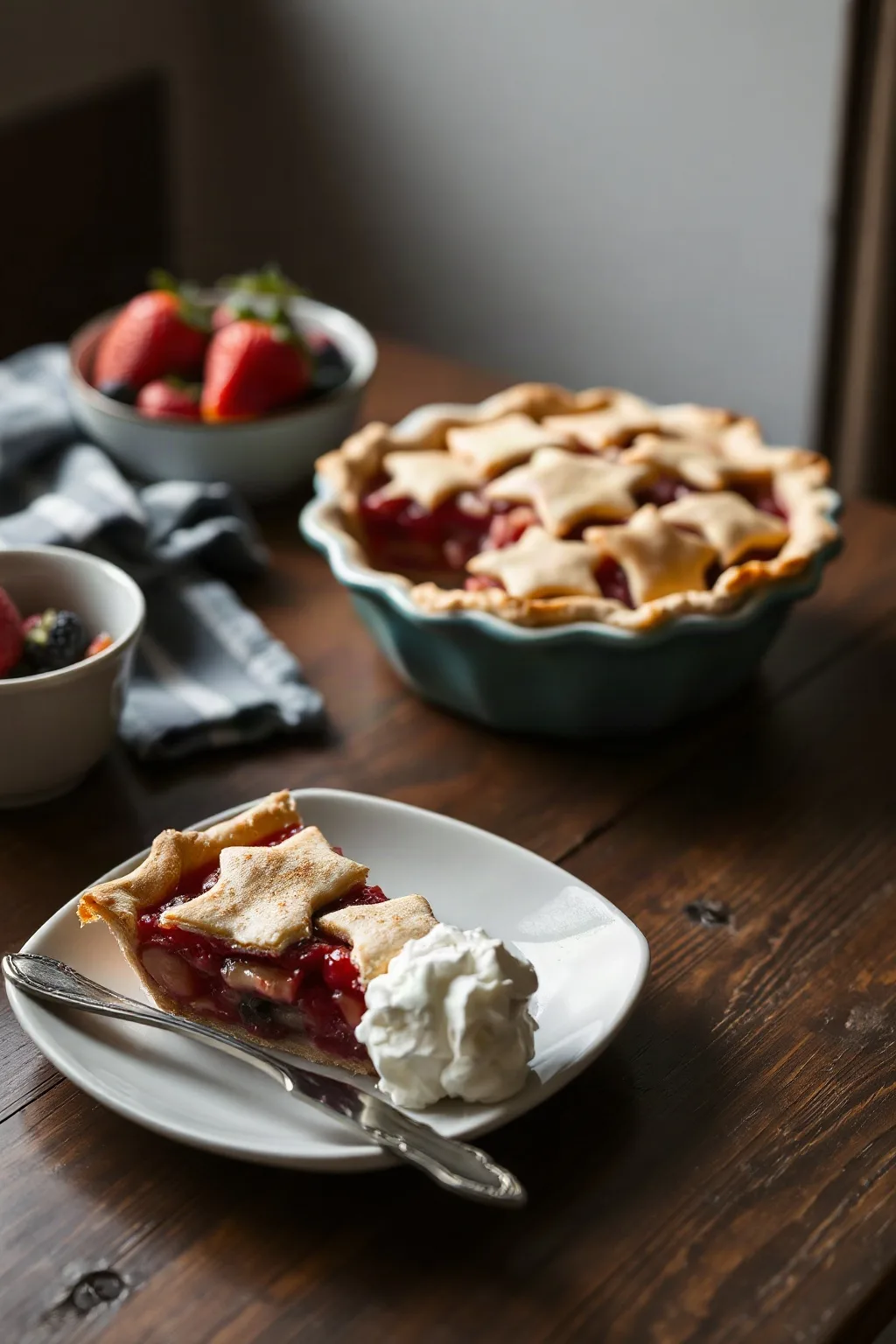
Classic Berry Rhubarb Pie
A delightful mix of tangy rhubarb and sweet berries, encased in a flaky crust.
Kitchen & BBQ gear
What we use for recipes like this

Tableware · Pitchers
1 Gallon 128oz Octagon Glass Water Pitcher with Lid and Spout, Water Pitchers with Handle for Fridge, Borosilicate Glass Carafe for Hot/Cold Drink, Extra Large Jug for Iced Tea.
$34.99

Food Storage · Spice Organisers
Spice Drawer Organizer, 4 Tier Clear Acrylic Expandable From 13" to 26" Seasoning Jars Drawer Insert, Kitchen Drawer Spice Rack Tray for Cabinet/Countertop
$25.99
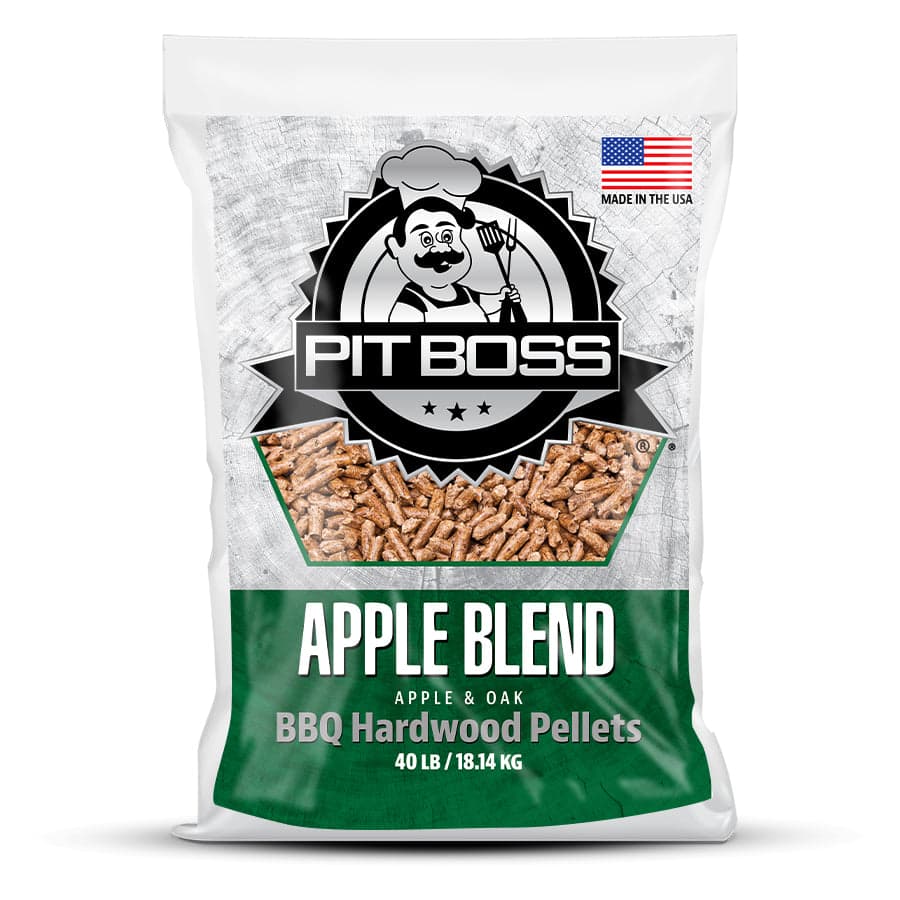
Pit Boss Grills
Apple Blend Hardwood Pellets – 40 lb
$19.99
Affiliate links. Prices come from Amazon and are refreshed at least every 24 hours.