

Learn to make creamy homemade Greek yogurt with just two ingredients. Perfect for breakfast or a healthy snack.
Prep
10 min
Cook
15 min
Total
505 min
Servings
8
Difficulty
Medium
Instructions
Heat the milk
In a medium saucepan, heat the milk over medium heat until it reaches 185°F (85°C), stirring occasionally to prevent scorching.
Pro tip: Use a thermometer to monitor the milk temperature accurately.
Cool the milk
Remove the saucepan from heat and let the milk cool to 110°F (43°C). This can take about 30 minutes.
Pro tip: To speed up the cooling process, place the saucepan in a cold water bath.
Incorporate the yogurt
In a small bowl, mix the plain yogurt with a few tablespoons of the cooled milk. Add this mixture back into the saucepan and stir well to combine.
Pro tip: This step ensures the live cultures are evenly distributed throughout the milk.
Incubate
Transfer the mixture to a sterilized container and cover it. Place in a warm environment, like an oven with the light on, for 6-8 hours or overnight until thickened.
Pro tip: Do not disturb the yogurt during incubation to ensure proper thickening.
Strain the yogurt
Line a colander with a clean cheesecloth and place it over a large bowl. Pour the yogurt into the cheesecloth and let it strain in the refrigerator for 2-4 hours until it reaches your desired thickness.
Pro tip: The longer you strain, the thicker the yogurt will become.
Store and serve
Transfer the strained Greek yogurt to a clean airtight container and store it in the refrigerator.
Pro tip: Save the strained whey for use in smoothies or baking.
Tips & Tricks
- Use a thermometer to ensure the milk reaches the correct temperatures.
- For thicker yogurt, strain it longer to remove more whey.
- Use full-fat milk for a creamier texture.
- Ensure your starter yogurt contains live cultures.
Frequently Asked Questions
What is Greek yogurt?
Greek yogurt is a type of yogurt that is strained to remove most of its whey, resulting in a thicker consistency and a tangier taste.
How long should I strain Greek yogurt?
Strain Greek yogurt for 2-4 hours, depending on your desired thickness.
Can I use low-fat milk for Greek yogurt?
Yes, but using whole milk will produce a creamier yogurt.
How do I know when the milk is at the right temperature?
Use a thermometer. The milk should reach 185°F (85°C) for pasteurization and then cool to 110°F (43°C) for incubation.
What can I do with the leftover whey?
Use leftover whey in smoothies, soups, or baking to add nutrition and flavour.
Serving Suggestions
Nutrition per serving
150
Calories
8g
Protein
8g
Fat
11g
Carbs
You Might Also Like
More Breakfast Recipes
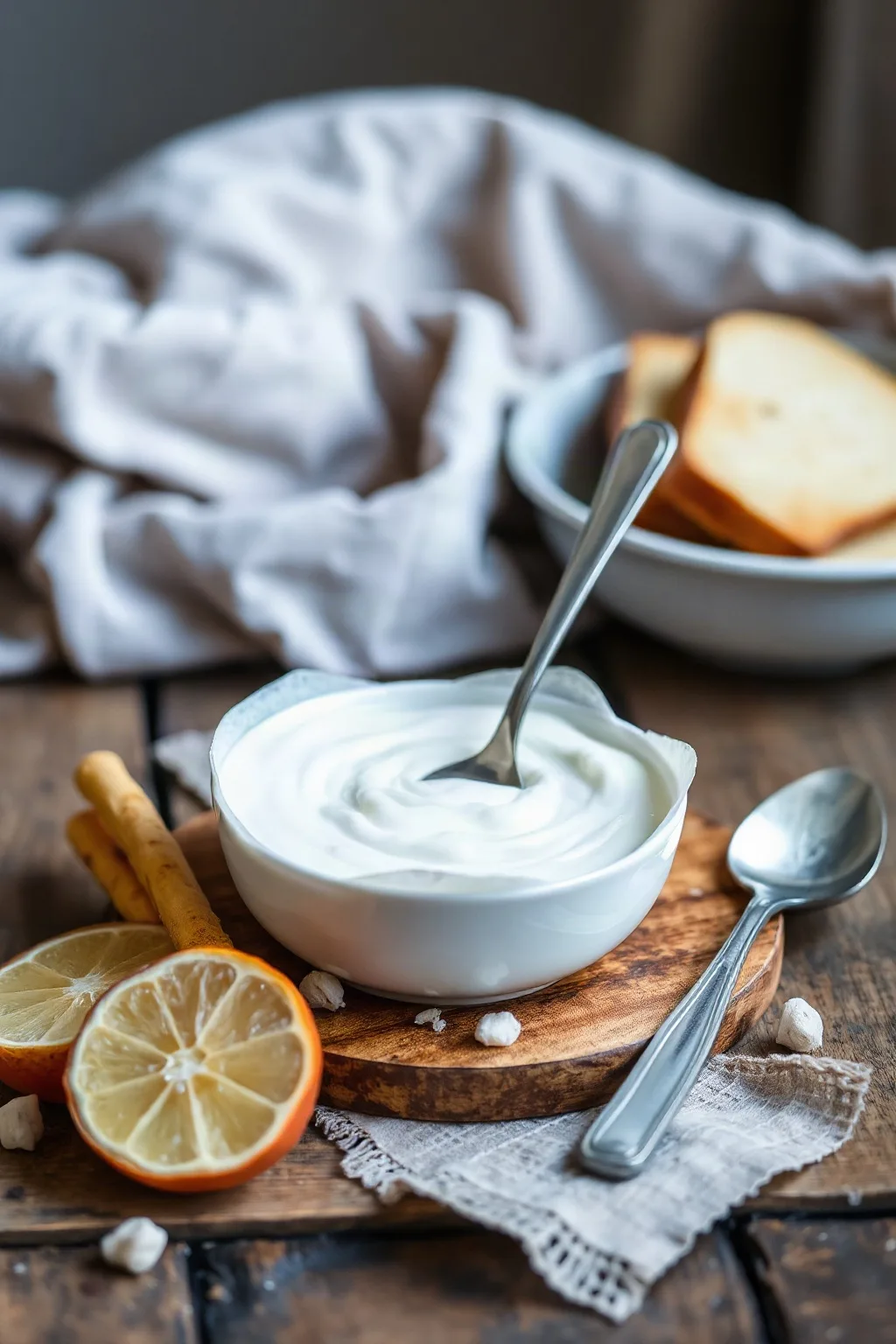
Homemade Yogurt Without a Yogurt Maker
Create creamy homemade yogurt without a yogurt maker, using just milk and live cultures. Perfect for breakfast or a snack!

Raspberry and Yogurt Bread
A moist and tangy raspberry and yogurt bread perfect for breakfast or a snack.
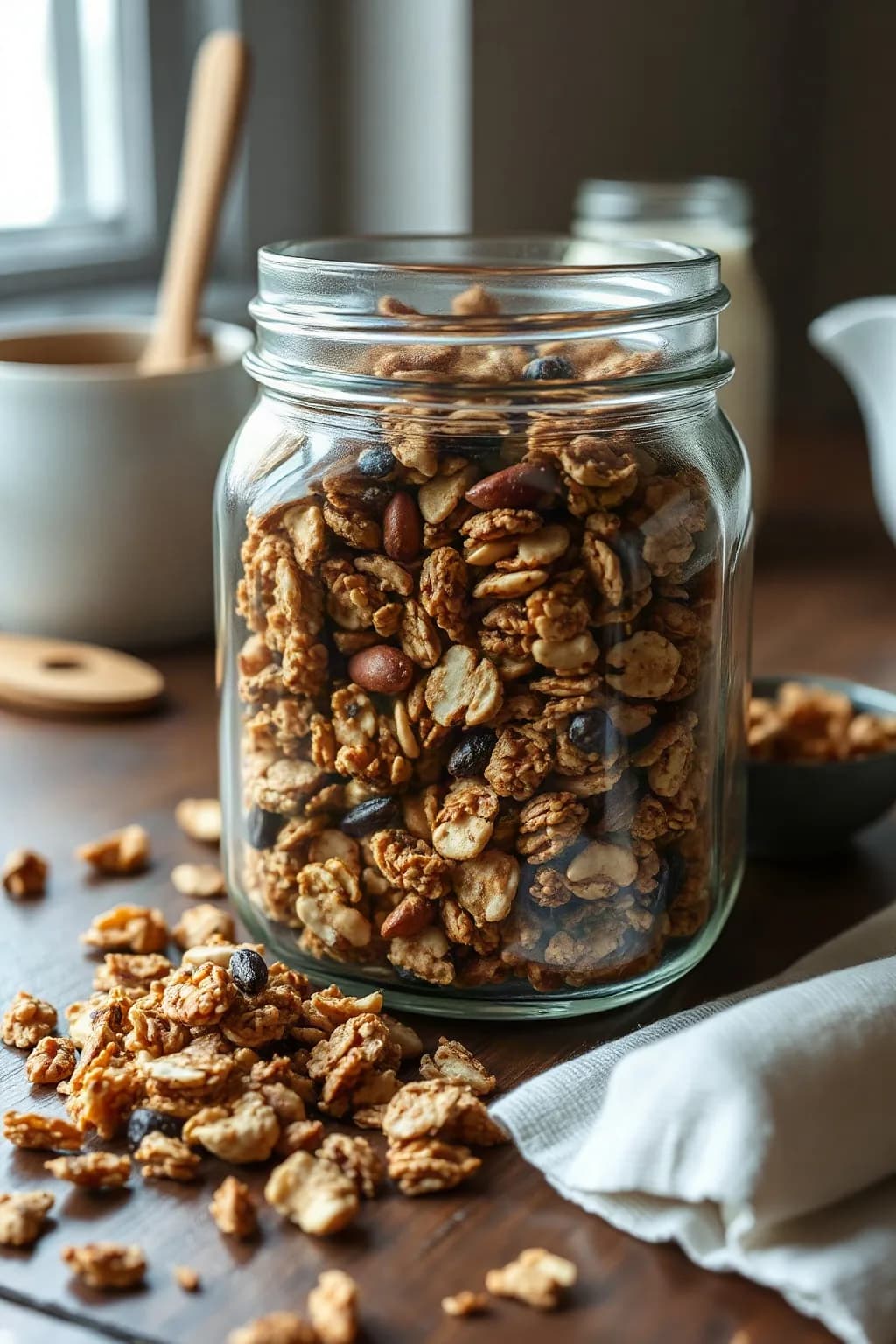
Homemade Granola
Crunchy homemade granola, perfect for breakfast or snacks. Easy to customize with your favourite nuts and seeds.

Spinach Egg White Muffins
Fluffy and healthy spinach egg white muffins perfect for breakfast or a light snack.

Banana and Flax Seed Muffins
Moist and nutritious banana muffins enriched with flax seeds. Perfect for a healthy breakfast or snack.

Diabetic Friendly Apple Muffins
Enjoy these moist and healthy diabetic friendly apple muffins, perfect for a guilt-free snack or a nutritious breakfast option.
Kitchen & BBQ gear
What we use for recipes like this

Pizza · Pizza Steels
Chef Pomodoro Pizza Steel, 14x12in, 1/4-In Thick, Lifting Holes
$65.99

Baking · Icing Spatulas
Icing Spatula, Professional Cake Angled Offset Spatula Steel Blade PP Plastic with Durable Plastic Handle for Cake Decorating
$6.10

Pit Boss Grills
Hickory Blend Hardwood Pellets
$12.99
Affiliate links. Prices come from Amazon and are refreshed at least every 24 hours.