7 Fall-Off-the-Bone BBQ Rib Recipes You Need to Master
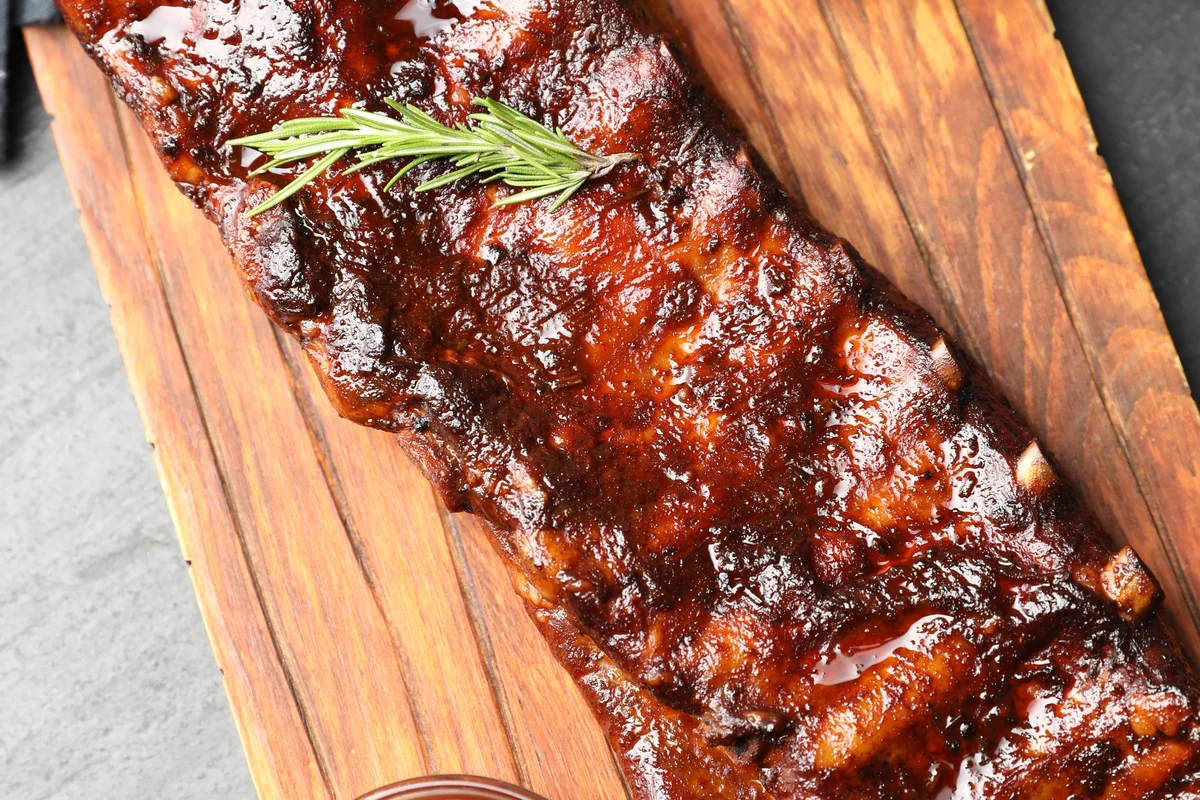
Baby back, spare ribs, St. Louis cut, and beef ribs — our best BBQ rib recipes deliver tender, smoky perfection every time.


Ribs: The Ultimate BBQ Test
Ask any pitmaster what separates a backyard griller from a serious cook, and the answer is almost always ribs. Ribs require patience, temperature control, and an understanding of when to wrap, when to sauce, and when to pull. Get it right, and you've got one of the most satisfying things that can come off a smoker. Get it wrong, and you've got tough, chewy meat that no amount of sauce can save.
The good news: once you learn the fundamentals, ribs are surprisingly consistent. Let's break down every cut, method, and technique you need.
Know Your Cuts
Baby Back Ribs
Cut from the top of the rib cage near the spine, baby backs are shorter, leaner, and more tender than spare ribs. They cook faster (3-4 hours vs. 5-6) and are the most beginner-friendly option. The meat is mild and slightly sweet — perfect for those who prefer a lighter rib.
Spare Ribs
Cut from the belly side of the rib cage, spare ribs are larger, fattier, and more flavorful than baby backs. The extra fat and connective tissue mean they need more time to render, but the payoff is a richer, meatier rib with better bark development.
St. Louis Cut
This is just spare ribs with the cartilage tips and rib tips trimmed off, creating a uniform rectangular rack that cooks more evenly. If you're buying spare ribs for competition or presentation, the St. Louis cut is the way to go.
Beef Ribs
Massive, beefy, and incredibly rich. Beef plate ribs (also called "dino ribs" or "brisket on a stick") are a Texas BBQ staple. Each bone can be the size of your forearm, with a thick cap of meat that smokes like a brisket. They take 6-8 hours but produce some of the most impressive BBQ you'll ever make.
The 3-2-1 Method (And When to Break the Rules)
The 3-2-1 method is the most popular rib-cooking technique, and it's a great starting point:
- 3 hours unwrapped at 225°F — smoke penetrates the meat and bark begins forming
- 2 hours wrapped in foil with a splash of apple juice, butter, and brown sugar — the ribs steam and tenderize dramatically
- 1 hour unwrapped with sauce applied — the sauce sets and the bark firms back up
This method works perfectly for spare ribs. For baby backs, reduce to 2-2-1 since they're thinner and cook faster. For beef ribs, skip the wrap entirely — just smoke them unwrapped at 275°F until they hit 200-205°F internal (6-8 hours).
When to Break the Rules
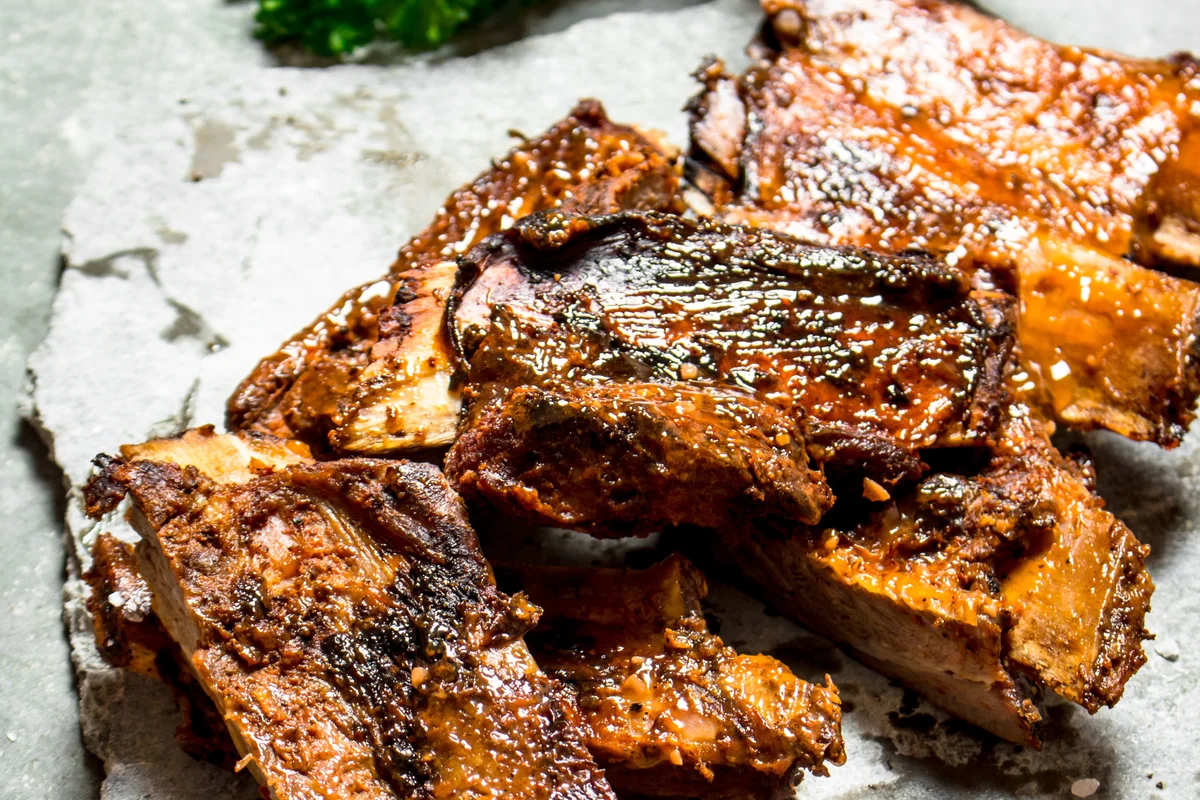
The 3-2-1 method can make ribs too soft — almost mushy. Some pitmasters prefer a no-wrap approach for a firmer texture and better bark. If you want "competition-style" ribs (where the meat pulls cleanly from the bone with a slight tug but doesn't fall off), try smoking unwrapped the entire time at 250-275°F. It takes about the same total time but produces a completely different texture — firmer, chewier, with more developed bark.
The Rub
A great rib rub is the foundation of flavor. Here's a versatile recipe that works on any cut:
- 1/4 cup brown sugar
- 2 tbsp paprika (smoked or sweet)
- 1 tbsp garlic powder
- 1 tbsp onion powder
- 1 tbsp chili powder
- 2 tsp black pepper
- 2 tsp kosher salt
- 1 tsp cayenne (adjust to taste)
- 1 tsp cumin
Apply the rub generously the night before and refrigerate uncovered. The salt will dry-brine the meat, pulling moisture out and creating a sticky surface (called the pellicle) that smoke adheres to beautifully.
The Bend Test
The best way to check doneness without a thermometer: pick up the rack with tongs in the center. If it bends dramatically and the meat starts cracking on the surface, they're done. If the rack stays stiff, they need more time. For beef ribs, use a probe — 200-205°F with probe-tender feel.
Sauce Strategy
- Kansas City style: Thick, sweet, tomato-based. The most popular style. Apply during the last 30-45 minutes of cooking so it caramelizes without burning.
- Carolina vinegar: Thin, tangy, vinegar-and-pepper-based. Mop it on during cooking for a lighter, tangier result.
- Texas style: No sauce at all. Let the rub and smoke do the work. Serve with white bread and pickles.
- Alabama white sauce: Mayo-based with vinegar, horseradish, and black pepper. Surprisingly good on smoked ribs.
Common Mistakes
- Not removing the membrane. The thin, papery membrane on the bone side of the rack prevents smoke and rub from penetrating. Peel it off before seasoning — grab a corner with a paper towel and pull.
- Too much smoke. A thin, clean smoke is what you want. Billowing white smoke makes ribs bitter. Let your fire establish and the smoke turn blue/clear before adding the meat.
- Saucing too early. Sugar burns. Only sauce in the last 30-60 minutes or after pulling from the smoker.
- Not resting. Even ribs benefit from a 10-15 minute rest. Tent loosely with foil after pulling them off the smoker.
Our Best Rib Recipes
Ready to fire up the grill? Try these recipes from our collection: